
Irritable Bowel Syndrome:
The Hidden Communication Between Emotions and Digestion
The body speaks in ways we often overlook. The gut and the brain maintain a constant dialogue—a silent conversation that influences not only digestion but emotional well-being. This connection is so profound that the gut has been called the second brain, due to its independent neural network and its ability to influence mood.
Remarkably, 95% of serotonin—the neurotransmitter linked to feelings of well-being—is produced in the gastrointestinal tract. When stress becomes chronic, it disrupts this system, inflames the gut, and alters its function, leading to symptoms such as pain, bloating, and changes in bowel patterns.
The Language of the Body: Symptoms and Their Meaning
Irritable bowel syndrome and other functional digestive conditions share common patterns in which the body seems to "speak" without words:
- Fluctuating abdominal pain
- Bloating and heaviness
- Changes in the frequency or consistency of bowel movements
What is striking is that these symptoms rarely have a detectable organic cause. Instead, they reflect a digestive sensitivity amplified by psychological impact, confirming that body and mind are not separate entities but aspects of a single reality.
The Emotional Labyrinth of the Digestive System
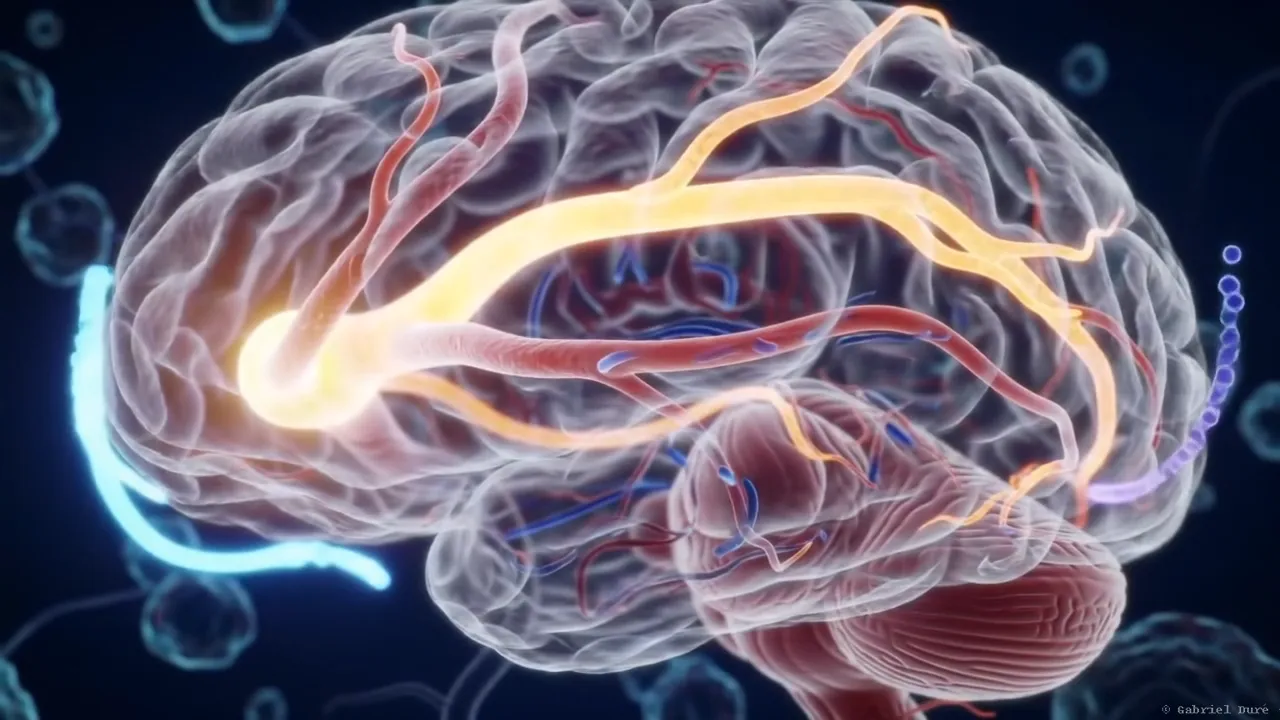
From a philosophical and psychological perspective, three key insights emerge about the link between emotions and digestion:
Emotional unawareness
Many people describe their physical discomfort in detail but struggle to connect it with their emotions. Philosophy reminds us that self-knowledge is essential for understanding the body and its relationship to well-being.
Lack of emotional regulation
The inability to manage stress and anxiety correlates with more severe digestive symptoms. Stoic philosophy proposes that we cannot control what happens to us, but we can control our response to it.
Silenced expression
When words fail, the body screams. Somatization is common among those who suppress their emotions, a phenomenon described by Wilhelm Reich in his theory of the "body as emotional biography."
Microbiota and Mental Health: The Gut-Brain Axis
The relationship between the gut and the mind is not merely metaphorical—it is biological. The gut microbiota—the community of microorganisms inhabiting the digestive tract—plays a fundamental role in regulating neurotransmitters such as serotonin and GABA, influencing emotional states and stress responses. An imbalance in the microbiota, known as dysbiosis, has been linked to symptoms of anxiety, depression, and even cognitive impairment.
Factors That Disrupt the Gut-Brain Axis
- Chronic stress: Alters the composition of the microbiota, promoting pro-inflammatory species that can amplify digestive and emotional symptoms.
- Diet low in fiber and essential nutrients: Reduces microbial diversity, affecting neurotransmitter production and communication with the central nervous system.
- Excessive use of antibiotics and other medications: Can cause imbalances that affect emotional regulation and stress tolerance.
- Circadian rhythm disruptions: Irregular sleep alters microbiota activity, impacting emotional stability.
Strategies for Digestive and Emotional Balance
- Pro-microbiota nutrition: Incorporate fermented foods, prebiotics, and fiber to promote bacterial diversity and improve neurotransmitter production.
- Stress management: Techniques such as diaphragmatic breathing and progressive relaxation reduce sympathetic nervous system activation and its negative impact on the gut.
- Mindful eating: Eating consciously, without distractions, improves digestion and strengthens the mind-body connection.
- Sleep regulation: Maintaining consistent schedules improves microbiota stability and emotional health.
- Movement and moderate exercise: Activities like yoga and walking regulate the inflammatory response and improve gut-brain communication.
Relearning to Feel: Strategies for Regulation
Gut well-being depends not only on diet but on the ability to manage emotions and listen to the body's signals. Some strategies include:
- Naming what you feel: Developing emotional precision to clearly identify internal states.
- Observing how emotions manifest in the body: Feeling anger in the chest, fear in the stomach, sadness in the breath.
- Building tolerance for uncomfortable sensations: Accepting them without reacting impulsively.
- Finding healthy channels of expression: Writing, talking, creating—instead of suppressing.
Therapeutic Intervention: Beyond Diet
An effective approach goes beyond dietary changes and requires an integrative view of body and mind:
- Emotional mapping: Identifying the relationship between life events, emotional states, and physical symptoms.
- Mind-body reconnection: Body awareness exercises such as mindfulness and somatic awareness techniques.
- Digestive retraining: Techniques to reduce visceral hypersensitivity through biofeedback and stress management.
Symptoms are not enemies but messages of deeper imbalances. Listening to and deciphering them opens the door to a better quality of life.
Final Reflection: Restoring the Body's Dialogue
Digestive and emotional well-being are deeply intertwined. Understanding the microbiota as an active agent in mental health allows us to adopt integrative strategies that promote balance between body and mind. In this sense, intestinal symptoms can be seen not merely as physiological discomfort, but as a message inviting us to attend to our emotional health more deeply.
References
- Reich, W. (1942). The Function of the Orgasm. Orgone Institute Press.
- van der Kolk, B. (2014). The Body Keeps the Score. Penguin Books.
- Duré, G. (2025). Irritable Bowel Syndrome. [ORCID — Study link pending]
Help Resources
Crisis support:
- Medical Emergencies911
- Mental HealthContact your local hospital
Recommended Reading
- van der Kolk, B. - The Body Keeps the Score.
- Barlow, D. H. - Anxiety and Its Disorders.
- Mayer, E. - The Mind-Gut Connection.
- Jeffers, S. - Feel the Fear and Do It Anyway.