
Nomophobia in Adolescents and Adults:
Technology, Anxiety and Reward Circuits
Over the past two decades, the mobile phone has evolved from a communication tool into an extension of the human body and mind. This shift has given rise to emerging psychological phenomena, among them nomophobia—a term that describes the irrational fear of being without access to one's phone or digital network. Although initially considered a curiosity, nomophobia is now recognized as a common manifestation of technological dependence, especially among adolescents and young adults, and is associated with emotional, cognitive, and neurological alterations.
What Is Nomophobia?
The term "nomophobia" comes from the English phrase no mobile phone phobia and was first introduced in a 2008 UK study. It describes the significant anxiety or distress a person experiences when they cannot access their mobile phone (King et al., 2010). This anxiety can be triggered by a dead battery, loss of signal, forgetting the device, or simply the idea of being disconnected. Recent studies show that more than 70% of adolescents and young adults report some degree of distress when separated from their phone (Yildirim & Correia, 2015).
An Analogy for Conceptual Ambiguity
Nomophobia can be understood from multiple perspectives: as addiction, as a need for connectivity, or as a form of self-extension. To illustrate, imagine a modern, enormous building. Some see it as a prison that traps its inhabitants in digital dependence (negative view). Others interpret it as an essential information and connectivity hub (neutral view). And others consider it an extension of the home or office, an integral part of personal identity (positive view).
Epidemiological Data and Demographic Differences
The prevalence of nomophobia varies by age, gender, and sociocultural context. Recent research using the NMP-Q scale has found that adolescents and women are at higher risk, and that up to 77% of young people can be classified at moderate or high risk levels.
- Population: University students are a high-risk cohort, with a severe nomophobia prevalence of 25.46%. Globally, the prevalence of moderate to severe nomophobia reaches 70.76%.
- Gender: Findings are contradictory. Initial studies indicated a slightly higher prevalence in men (58% vs. 47%). However, more recent research suggests that women may be more affected (78.72% in an adolescent study).
The Reward Circuit and Dopamine: The Core of the Problem
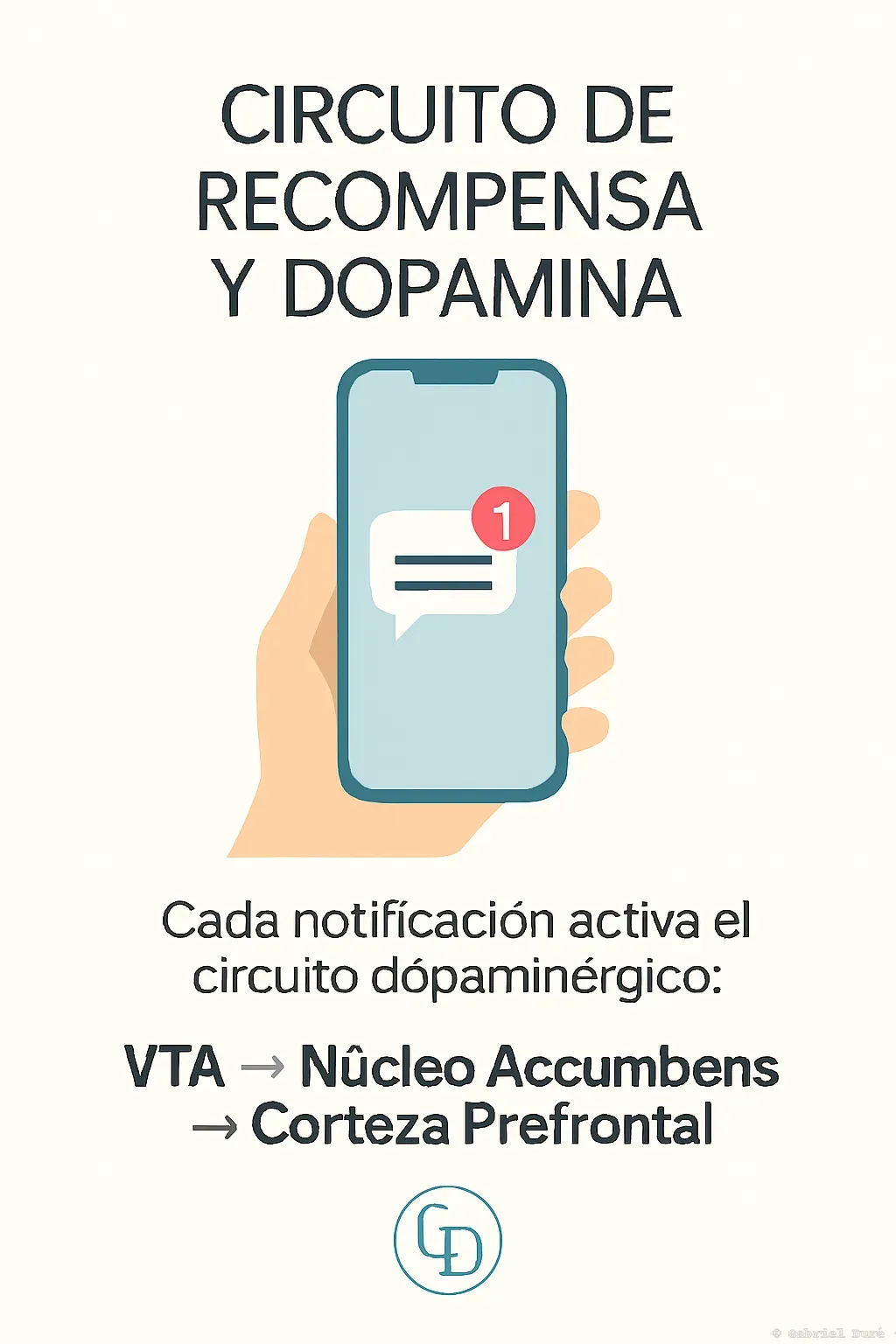
The dopaminergic system is primarily responsible for reward and motivation mechanisms. Its central nucleus lies in the ventral tegmental area (VTA), which projects dopamine to the nucleus accumbens, the prefrontal cortex, and other subcortical structures involved in evaluating pleasure and reinforcement.
Every time a person receives a notification, a "like," or a message, this circuit is activated. Dopamine acts as a key neurotransmitter, generating a reward sensation that reinforces the behavior: it becomes more likely that the person will check their phone again. When repeated hundreds of times daily, this mechanism generates a subtle but sustained neurochemical dependence.
Neurobiology of Nomophobia: The Brain in Alarm Mode
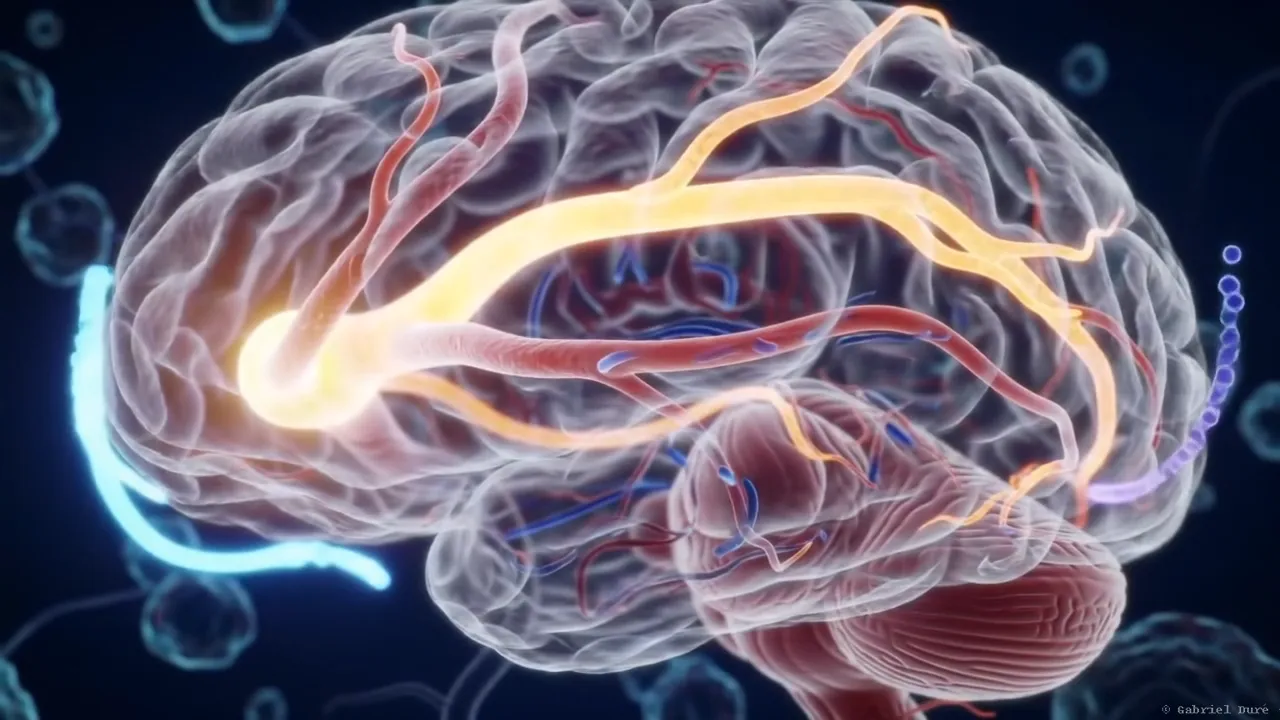
Nomophobia not only affects behavior but also modifies brain function. Perceived digital isolation activates defense systems that evolved to protect us from social danger.
- Neuroception: The brain unconsciously evaluates whether we are safe or at social risk. When it detects disconnection, it triggers the alarm signal.
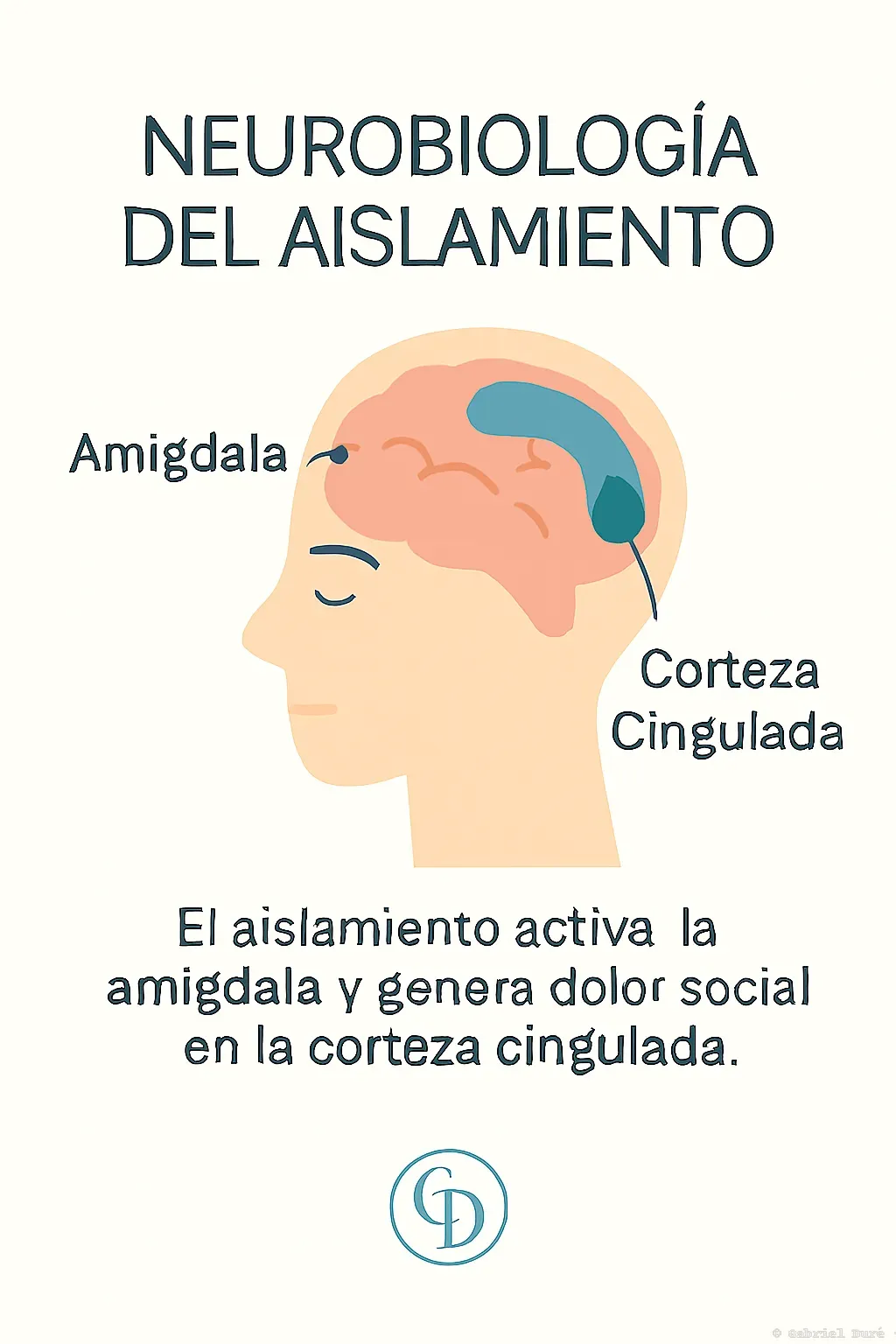
- Amygdala (hypervigilance): Activates more frequently, interpreting neutral gestures as threats.
- Prefrontal cortex (emotional control): Its activity decreases, generating impulsivity and difficulty thinking clearly.
- Anterior cingulate cortex (social pain): Activates the same way as in response to a physical wound. For the brain, digital rejection hurts like an injury.
Associated Behaviors and Physical Symptoms
Behaviors:
- Compulsive checking
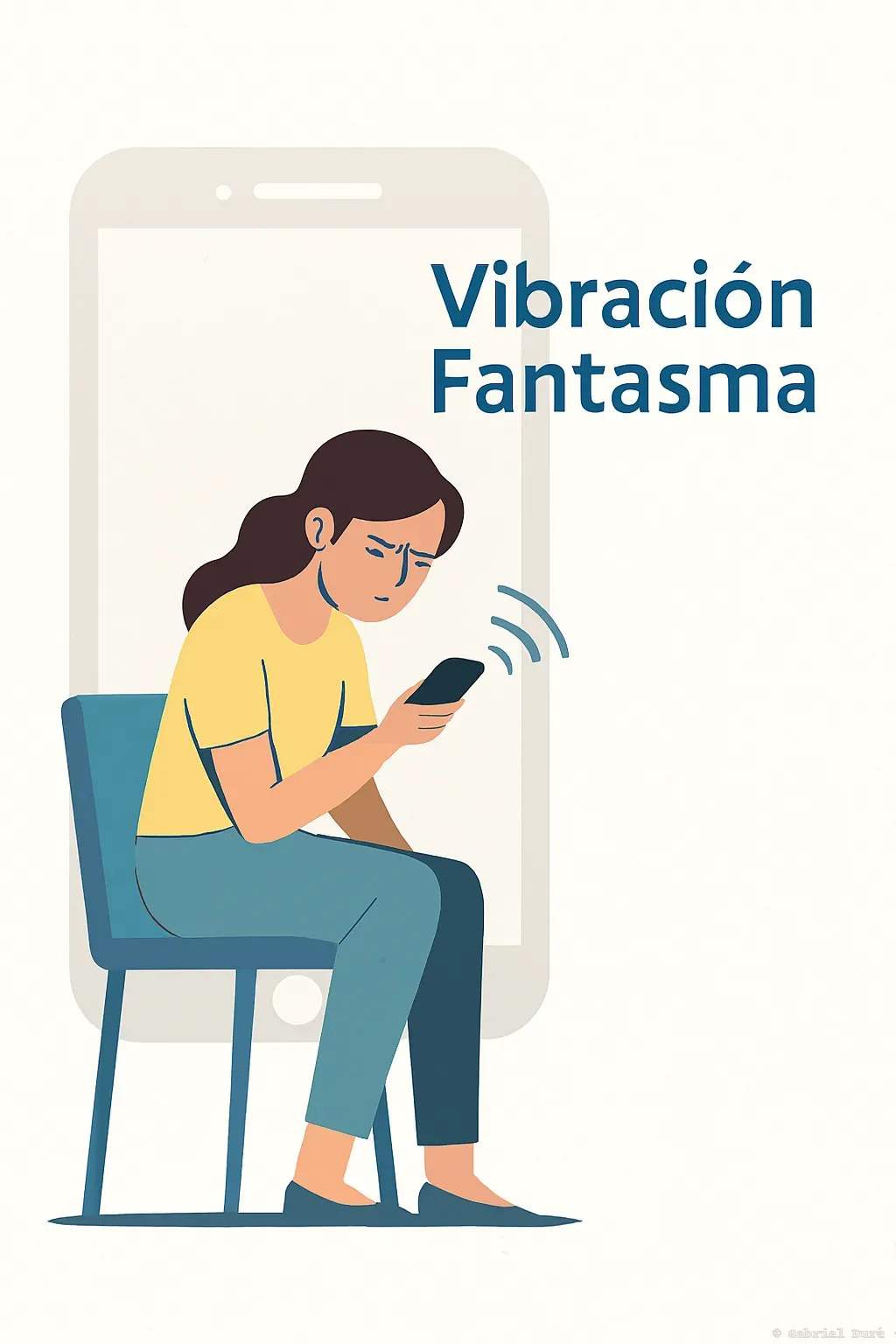
- Phantom vibration syndrome
- Nocturnal hypervigilance
- Accessory dependence
- Situational avoidance
- Deterioration of real life
- Excessive spending
Physical Symptoms:
- Tachycardia
- Excessive sweating
- Tremors
- Difficulty breathing
- Headaches
Infographic: Nomophobia and the Brain
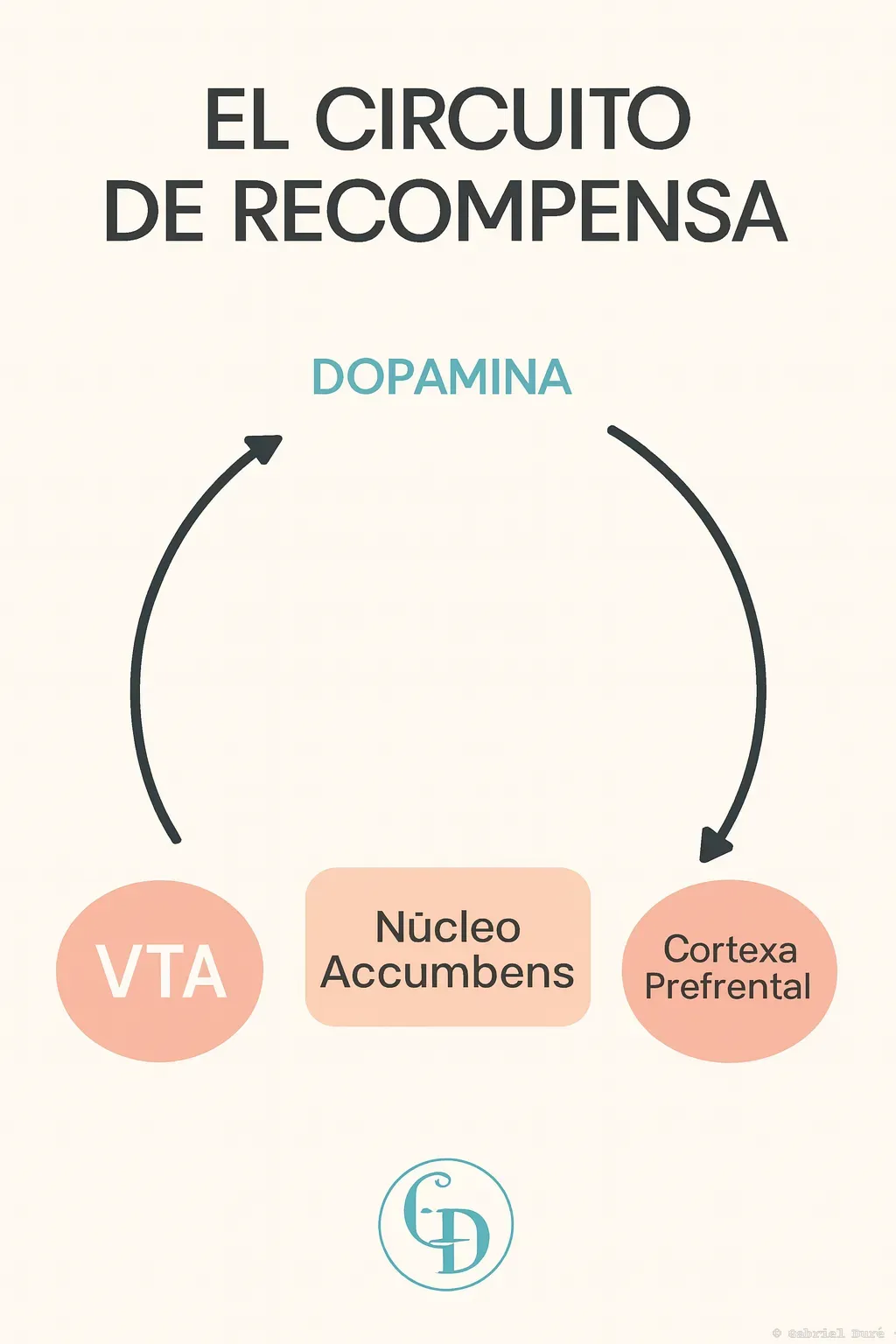
Irrational fear of being without your phone or disconnected.
The dopaminergic system activates with every notification.
Phantom vibration and compulsive checking.
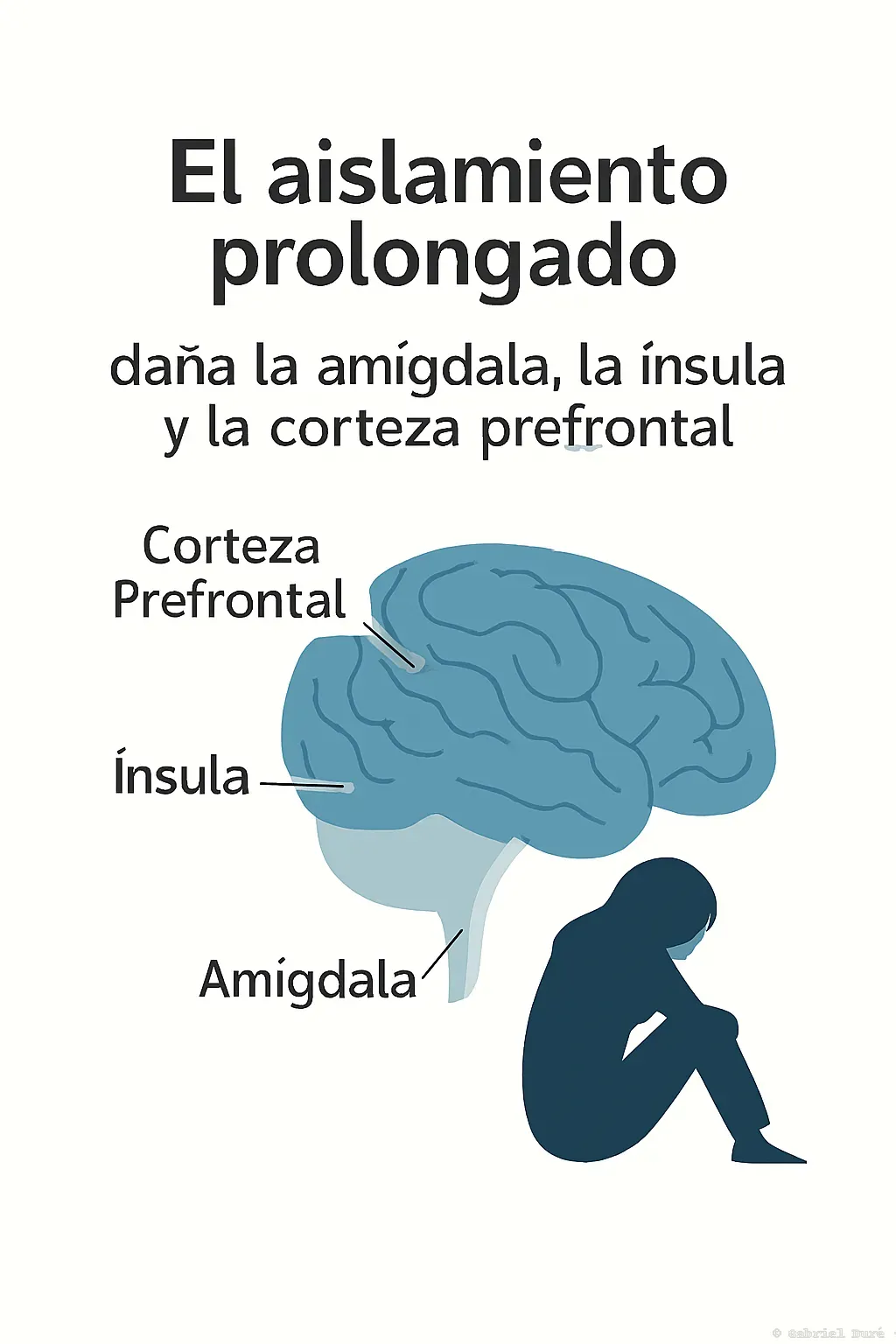
Isolation damages the prefrontal cortex.
Apply tech-free zones.
Swipe for more
Deep Dive: Mechanisms of Dependence
Nomophobia involves more than an emotional reaction to disconnection—it activates deep neurobiological mechanisms that reinforce compulsive digital behavior. The brain's reward circuit, stimulated by every notification, generates a dopamine release that intensifies the need to check the phone. This dynamic affects the prefrontal cortex, the nucleus accumbens, and the ventral tegmental area, altering the balance between pleasure and control.
When to Seek Professional Help
If symptoms are continuous throughout the day, frequent, and have been present for six months or more, causing problems in relationships, work, or health, seeking help from a mental health professional is recommended.
Practical Strategies for Disconnection and Self-Management
I. Digital Hygiene
- Tech-free zones (bedroom, dining room).
- "Do Not Disturb" schedules.
- Scheduled check-ins instead of continuous monitoring.
- Analog alternatives (watch, alarm clock, maps).
- Usage monitoring and anxiety tracking.
II. Device Configuration
- Disable unnecessary notifications.
- Grayscale mode to reduce visual appeal.
- Time limits on social apps.
- Temporary deactivation of social media.
III. Emotional Regulation
- Mindfulness and conscious breathing.
- Progressive muscle relaxation.
- Cognitive restructuring (self-talk).
- Grounding techniques (5-4-3-2-1).
IV. Offline Activities
- Reading, sports, art, gardening.
- Face-to-face interactions.
- Developing offline interests.
V. Gradual Exposure
- Leave the phone face down.
- Increase physical distance.
- Short outings without the device.
- Extended activities without the phone.
Final Reflection
Nomophobia is not simply a consequence of technological advancement—it is a complex psychological phenomenon involving neurochemical, social, and emotional processes. In both adolescents and adults, excessive phone use activates the brain's reward system, generates neurobiological changes, and triggers physical and behavioral symptoms that affect quality of life.
Nomophobia reflects how technology can transform everyday habits into patterns of dependence. Each digital interaction becomes a micro-reinforcement that, accumulated, alters the perception of time and the ability to concentrate. Recognizing nomophobia as a multidimensional problem allows us to address it from psychology, neuroscience, and education, promoting a more conscious and healthy use of technology.
Learning to disconnect becomes an act of mental health and personal freedom. Recognizing the signs, understanding the mechanisms, and applying regulation strategies are fundamental steps toward regaining balance in the digital age.
References
- Duré, G. (2025). Nomophobia in Adolescents and Adults. [ORCID — Study link pending]
- King, A. L. S., et al. (2010). Nomophobia: dependency on virtual environments or social phobia? Computers in Human Behavior.
- Yildirim, C., & Correia, A.-P. (2015). Exploring the dimensions of nomophobia. Computers in Human Behavior.
Helplines
Free support:
- United States988 (Suicide & Crisis Lifeline)
- United Kingdom116 123 (Samaritans)
Key Readings
- Frankl, V. E. - Man's Search for Meaning.
- Jung, C.G. - Archetypes and the Collective Unconscious.
- Kabat-Zinn, J. - Full Catastrophe Living.