
Resilience: Neuroscience, Philosophy and Human Transformation
in Times of Adversity
Life surprises us with unexpected challenges, and in the midst of adversity, an inner strength emerges capable of transforming pain into personal growth. Imagine someone who, after facing loss and trauma, discovers within themselves the ability not only to recover but to reinvent themselves. This process, known as resilience, is complemented by emotional intelligence, which allows us to recognize and manage emotions with greater clarity and balance. To this we add philosophical reflection, particularly Nietzsche's teachings, which invite us to embrace our fate and value every experience as an essential part of our own becoming. In this article, we explore how resilience is forged at the intersection of our environment, our emotional capacities, and a deep understanding of human existence.
Definition and Nature of Resilience
Resilience is the capacity to adapt effectively in the face of adversity, trauma, tragedy, threats, or high levels of stress. It does not imply the absence of pain or difficulty, but rather moving through complex moments and transforming them into learning and personal growth. It is a dynamic process characterized by behaviors, thoughts, and actions that can be developed over time.
Far from being a fixed trait, resilience is nourished by internal factors such as self-esteem and self-confidence, as well as external factors like social support and a protective environment. This interaction makes resilience an accessible path for anyone who wishes to strengthen their capacity for recovery and personal development.
Resilience does not mean "never falling" but rising after each fall, learning and transforming in the process. It is a skill that can be trained, developed, and strengthened throughout life.
Resilience walks with us every day, driving us to transform adversity into hope and strength.
Resilience in the Context of Adversity
Difficult events reveal our vulnerabilities and test our inner resources. Yet it is precisely these moments that allow us to deploy our capacity to resist, recover, and even thrive. From a holistic perspective, resilience emerges from the dynamic balance between risk factors and protective factors, transforming every crisis into an opportunity for deep learning.
Overcoming adversity is not a destination but a journey of continuous transformation where every challenge offers a valuable lesson. Research in positive psychology has shown that resilient people do not avoid difficulties—they face them with greater awareness and flexibility.
Factors That Contribute to Resilience (Protective Factors)
Various studies highlight key elements that strengthen emotional and mental resilience:
- Social support: loving bonds and networks of trust that sustain us in difficult times.
- Self-esteem and self-confidence: a positive self-perception that generates empowerment.
- Communication skills: the ability to express emotions and seek help when needed.
- Emotional regulation: adequate management of intense emotions without being overwhelmed by them.
- Emotional intelligence: empathy, self-awareness, and balanced decision-making.
- Purpose and hope: a future-oriented vision and sense of direction.
- Adaptability: flexibility to modify strategies in the face of change and uncertainty.
Infographic: The 4 Pillars of Resilience
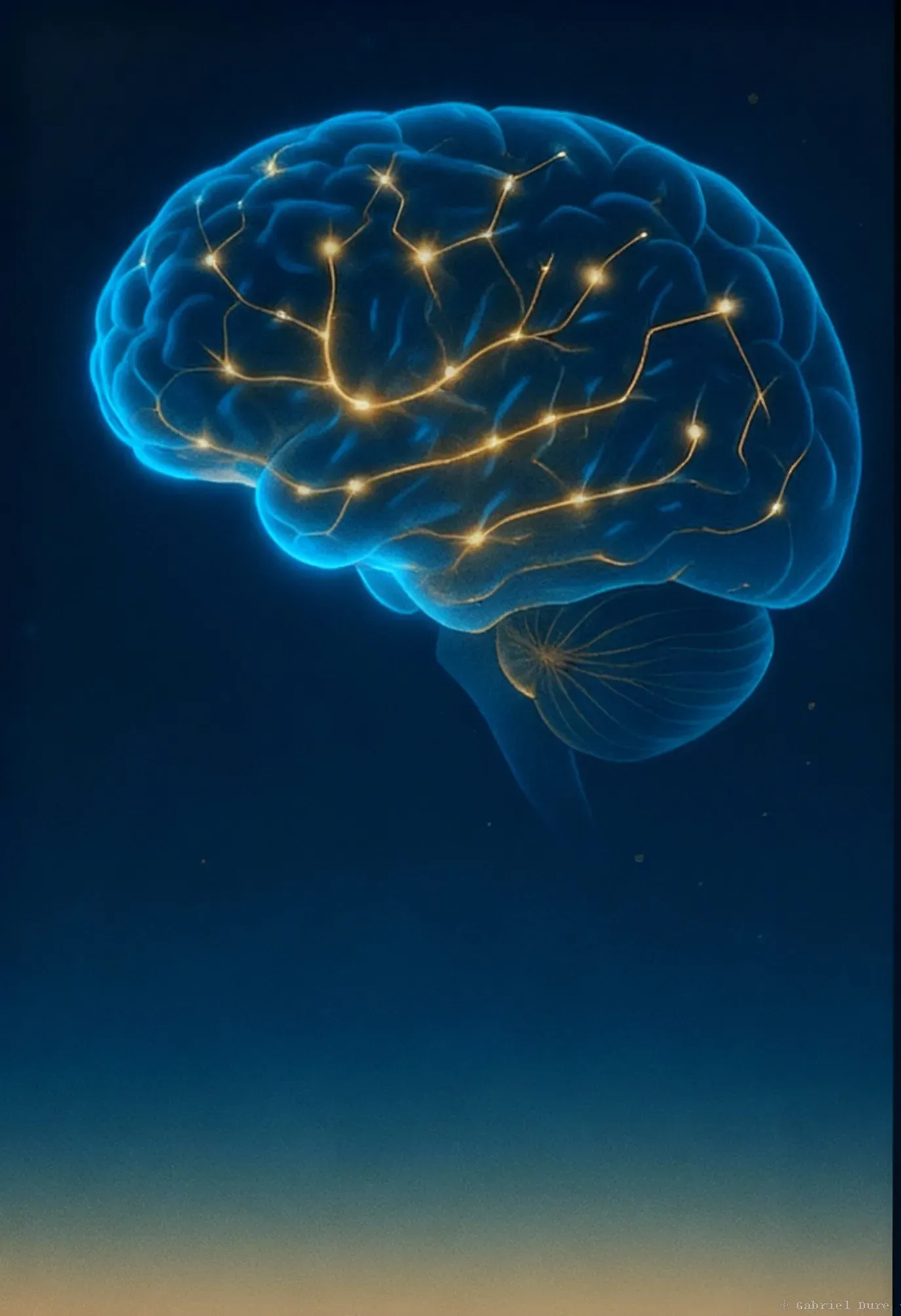
Your brain has the ability to rewire itself (neuroplasticity) to overcome trauma.

Connecting with what you feel allows you to regulate stress and heal wounds.

Practices like meditation and breathing restore safety to your nervous system.

Finding a "why" helps us endure any "how" (Viktor Frankl).
Swipe for more
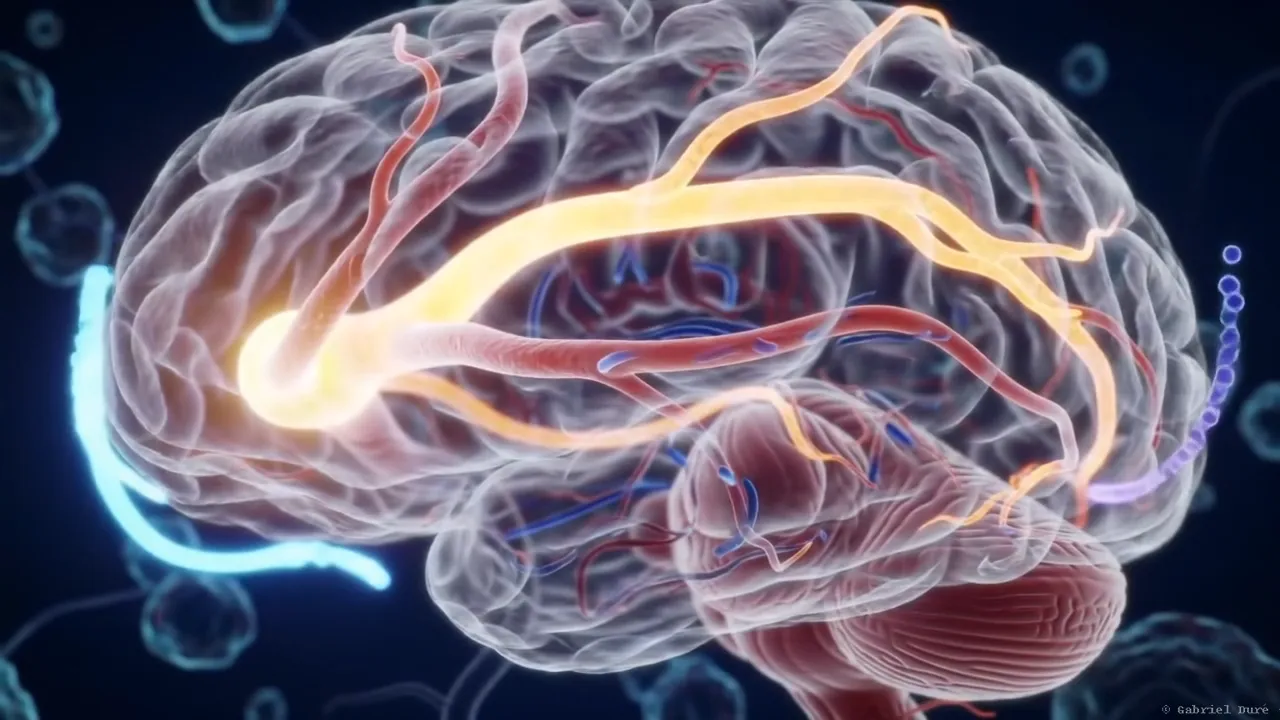
Neuroscience offers a precise view of what happens in the brain when facing adversity. Difficult experiences activate neuroplasticity mechanisms that reorganize neural connections, especially in areas related to emotional regulation such as the prefrontal cortex, the amygdala, and the hippocampus.
The prefrontal cortex is responsible for thinking and emotional control; the amygdala processes fear and threats; the hippocampus integrates memory. When we face adversity, these regions reorganize, allowing us to develop new responses.
Practicing mindfulness, learning coping strategies, and maintaining physical activity strengthen these neural circuits. From this perspective, resilience can be understood as a trainable skill: the more we exercise calm, reflection, and the reinterpretation of pain, the more the neurobiological foundations of emotional balance are consolidated.
Bodily Resilience: The Role of the Body in Emotional Restoration
The body perceives every emotional tension and every impact of stress: rapid breathing, tense muscles, sleep disturbances, affected digestion. However, these responses can be regulated through practices aimed at restoring physiological safety.
Techniques such as diaphragmatic breathing, grounding (connecting with the earth), and conscious movement help regulate the nervous system and alleviate emotional overload. Interoception—the internal perception of the body—functions as an anchor that allows us to recognize signs of tension and respond more adaptively.
Community Resilience: The Strength That Emerges from "We"
Individual resilience is exponentially enhanced when embedded in a collective context. Communities that face economic crises, natural disasters, or social changes can reconfigure their bonds and generate support networks that emotionally sustain their members.
Protective environments—such as schools, cultural centers, clubs, and neighborhood organizations—act as stress buffers and strengthen the sense of belonging. Community resilience demonstrates that no one recovers alone: we need bonds, recognition, and belonging to transform adversity into collective growth.
Nietzsche's Philosophy: Amor Fati
Nietzsche offers a key idea for reflecting on adversity: amor fati, "love of fate." It is not about resignedly accepting what happens, but embracing it as an essential part of the process of becoming.
His famous phrase "What does not kill me makes me stronger" invites us to transform suffering into a source of self-knowledge and strength, integrating every experience—pleasant or painful—into our own life path.
Existential Resilience: Viktor Frankl and the Meaning of Suffering
Viktor Frankl, psychiatrist and Holocaust survivor, argues that even in extreme circumstances it is possible to find meaning. The search for significance acts as an internal engine that allows us to reorganize the experience of pain and transform it into purpose.
Frankl holds that meaning can emerge through:
- Valuable actions and contributions to the world.
- Deep emotional bonds and meaningful relationships.
- The attitude adopted in the face of the inevitable.
Resilience and Technology: Artificial Intelligence in Mental Health
Digitalization has profoundly transformed mental health. Artificial intelligence systems collaborate in diagnostics, provide emotional support, and enable personalized interventions in real time.
- Personalized digital therapies.
- Therapeutic chatbots for active listening and emotional regulation.
- Big Data to identify patterns and anticipate crises.
- Telehealth platforms that democratize access.
Youth and Resilience: The Importance of Early Intervention
Evidence indicates that half of mental disorders begin before age 14. Therefore, promoting resilience in children and adolescents from an early age is essential.
- School-based emotional well-being programs.
- Family and community support.
- Digital telehealth platforms.
- Safe spaces for dialogue.
Conclusion: Resilience Lives with Us
Resilience is not only a response to great challenges but a silent companion that walks with us every day. It is present in our routines, in the way we face everyday problems, and in the transformation of small adversities into learning opportunities. It manifests when we adapt to new circumstances, when we find strength in uncertainty, and when we lean on our bonds when the path seems unclear.
Cultivating resilience means recognizing its constant presence, strengthening it day by day, and accepting that, as part of our human existence, it is always ready to help us transform adversity into growth and hope.
References
- Cyrulnik, B. (2002). Resilience: How Your Inner Strength Can Set You Free from the Past. Tarcher/Penguin.
- Frankl, V. E. (1946/2006). Man's Search for Meaning. Beacon Press.
- Goleman, D. (1995). Emotional Intelligence. Bantam Books.
- Nietzsche, F. (1882/2001). The Gay Science. Cambridge University Press.
- Siegel, D. J. (2010). Mindsight: The New Science of Personal Transformation. Bantam Books.
Crisis Support
Free helplines:
- United States988 (Suicide & Crisis Lifeline)
- United Kingdom116 123 (Samaritans)
- Internationalfindahelpline.com
Key Readings
- Cyrulnik, B. - Resilience.
- Frankl, V. - Man's Search for Meaning.
- Sandberg, S. - Option B.