Psychological abuse is like a dense fog that blurs the outlines of reality. Before the abuse can even be named, the mind builds fragile bridges to survive — like walking across a frozen lake, careful not to look at the cracks beneath. Yet these strategies, which at first ease the pain, can become glass cages that gradually strip the person of any sense of their own worth.
What Is Psychological Abuse?
Psychological abuse is a form of emotional mistreatment sustained over time. It manifests through words, silences, gestures, or behaviours designed to control, devalue, or isolate another person. It is common in intimate partnerships, family dynamics, and the workplace, and often goes unnoticed precisely because of its subtlety.
Before it can be named, the mind builds defences: rationalisations, denials, minimisations. Like someone walking on a frozen lake, the person focuses on not looking at the cracks — just to keep moving forward without falling through.
The Survival Mechanisms That Trap
The human brain is astonishingly adaptable, even in the face of harm. In situations of psychological abuse, survival mechanisms activate that, while initially aiming to protect emotional stability, ultimately distort the perception of reality. Some examples:
- Denial: Phrases like "It's not that serious — all couples argue" act as a psychological shield, even as they mask the abuse.
- Selective idealisation: Remembering "at the beginning they were so attentive…" helps to gradually minimise warning signs.
- Minimisation: "It was just a comment — they didn't mean it" allows the person to ignore ongoing pain.
- Self-blame: "If I changed, things would get better" shifts the responsibility for the abuse onto the victim, eroding their self-esteem.
These responses act like anaesthetics: they bring momentary relief but prevent the person from recognising the severity of the emotional trauma.
The Signs the Fog Conceals
Psychological abuse leaves no visible bruises, but its scars are deep and lasting. Among its manifestations:
- Toxic language: Criticism disguised as jokes, contempt camouflaged as advice, and phrases that resonate like veiled threats.
- Progressive isolation: Like a gardener who prunes a tree until no branches remain, the abuser slowly severs the person's social ties, cutting them off from their support network.
- Reality distortion (gaslighting): Making someone doubt their own memory or perception is like moving furniture in a dark room and then insisting it was always that way.
- Subtle fear: A loaded silence, a slammed door, or an intense look can keep the person in a constant state of alert.
Neurobiological and Emotional Impact
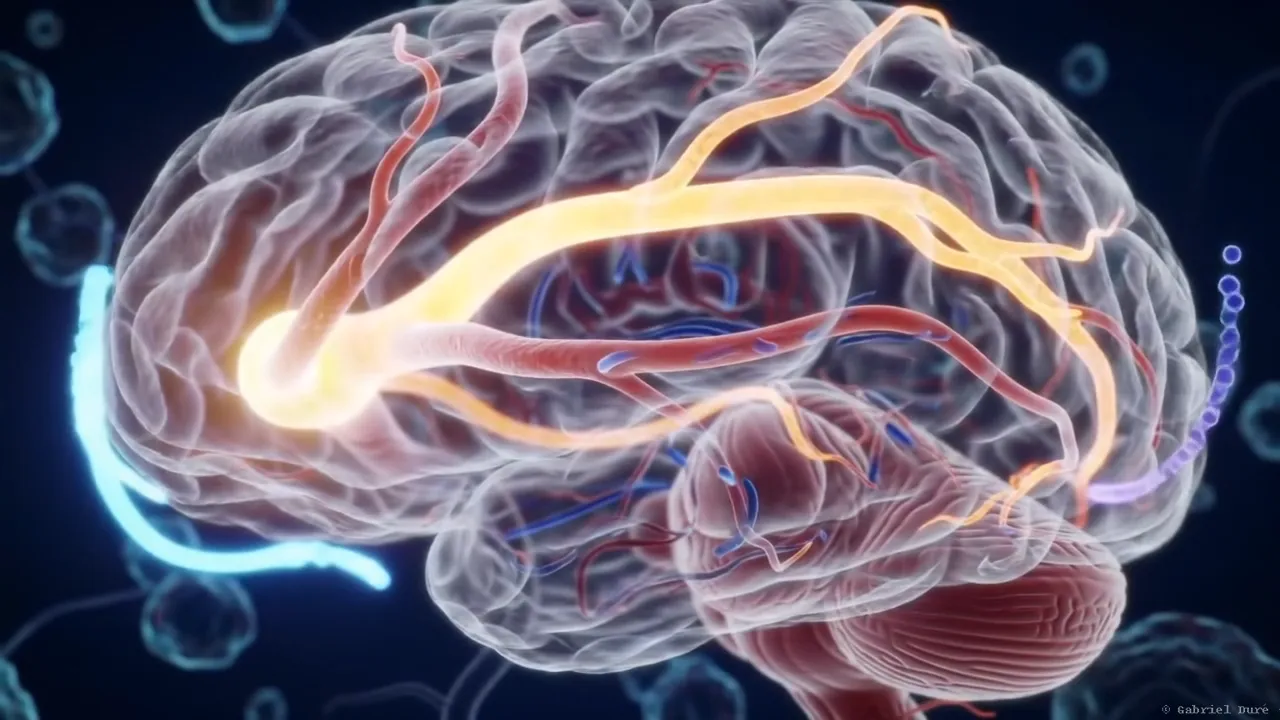
Psychological abuse activates a chronic stress response in the body. Continuous exposure to emotional violence leads to a sustained rise in cortisol — the stress hormone — which affects the health of the brain. Recent research shows that prolonged exposure can alter hippocampal function, impairing emotional regulation and memory processing (van der Kolk, 2014).
Moreover, the constant invalidation of feelings and chronic stress induce hyperactivation of the sympathetic nervous system, generating responses such as insomnia, muscular tension, and anxiety. These neurobiological changes are reflected not only in physical symptoms but also in the person's self-perception — causing the victim to internalise a negative message about their own worth.
The Path Toward Clarity
Recognising the abuse is the first and most painful step toward healing. Naming the unnameable is like opening your eyes after hours in the dark. Recovering your internal compass means learning again to listen to that voice that says "this is not right."
Building support networks — friends, family, or professionals — provides containment and perspective. Planning the exit requires documenting, seeking advice, and securing a safe place; each step opens cracks in the fog and allows truth and hope to shine through again.
Reconnection Exercises
Goal: Recover a clear sense of "who I am" and of your own worth, separate from the abuser's voice.
1. Life timeline and contrast
- Draw a timeline with key moments (childhood, adolescence, relationships, achievements).
- Mark in one colour the moments when you felt respected and valued, and in another those that made you doubt yourself.
- Reflection: What qualities of yours appear in the positive moments? Note them as personal resources.
2. Values list and non-negotiables
- Create two columns: WHAT I DO WANT and WHAT I WILL NEVER ACCEPT (non-negotiables).
- Prioritise 3 values that define you (e.g. honesty, safety, autonomy) and write concrete actions to live by them each week.
3. Mirror exercise (self-compassion)
In front of a mirror, say aloud 3 phrases that acknowledge your worth: "I deserve respect", "My feelings matter", "I can ask for help". Repeat for 1 minute each day and notice how your inner voice changes.
4. Emotional safety network
Draw a map with people and resources (friends, professionals, helplines, shelters). Identify 2 people with whom you can practise saying "this is not right" and asking for support.
Are You Still in Abuse, or Are You on Your Way Out?
- Signs you are still in abuse: Constant doubts about your memory or perception; progressive isolation; fear of the other person's reactions to small things.
- Signs you are on your way out: You recognise patterns, seek documentation, talk to someone you trust, set small boundaries, and practise self-care.
Tip: Use a checklist. If you answer "yes" to 4 or more abuse items, consider planning an exit and seeking professional help.
Setting Healthy Boundaries
The practical pillars are: self-knowledge, prioritisation, saying "no", assertive communication, and releasing guilt.
- Script for saying NO: "Thank you for the invitation — I can't do it right now because I need to protect my well-being." Practise it aloud.
- Assertive communication: Use first-person phrases: "I feel…, I need…, please respect…".
Factors that sustain abuse
| Factor | How it sustains abuse | Everyday example |
|---|---|---|
| Patriarchal structures | Justify power imbalances and minimise violence. | Family decisions made solely by men. |
| Gender socialisation | Assigns roles that encourage dependence or dominance. | Expectation that women prioritise the home. |
| Romantic love myths | Normalise control and forgiveness of abuse. | "Jealousy is proof of love." |
| Microaggressions | Small repeated acts that erode autonomy. | Dismissing feelings; controlling social media. |
How Cultural Structures Operate
Patriarchal structures and sexism legitimise hierarchies that facilitate psychological violence: when power is naturalised, controlling behaviours are interpreted as "normal" or "protective" rather than abusive. Differential socialisation reinforces expectations that predispose people to unequal relationships.
Research on microaggressions describes how small repeated behaviours consolidate power dynamics and make it harder to identify abuse.
Myths that justify abuse
- "Conflicts are part of love": Confuses disagreement with control — healthy conflict does not involve humiliation.
- "Jealousy is proof of love": Transforms surveillance into affection and legitimises invasions of privacy.
- "Love conquers all": Places the responsibility for "fixing" the abuser on the victim.
References
- Duré, G. (2025). Psychological abuse: the toxic fog. Gabriel Duré Blog.
- Uslu, B. N., & İme, Y. (2025). The link between psychological abuse and resilience. Child Indicators Research, 18, 1707–1721.
- American Psychological Association. (2025). Intimate partner abuse and relationship violence.
- van der Kolk, B. (2014). The Body Keeps the Score. Viking.
24h Crisis Help
- USA — 988 Suicide & Crisis Lifeline: 988 (call or text)
- UK — National Domestic Abuse Helpline: 0808 2000 247
- Australia — 1800RESPECT: 1800 737 732
- International Chat (Befrienders)
Recommended Reading
- Hirigoyen, M.F. — Stalking the Soul.
- Forward, S. — Emotional Blackmail.
- van der Kolk, B. — The Body Keeps the Score.
- Herman, J. — Trauma and Recovery.