
Understanding Emotional Storms in Children:
When Anger Goes Beyond a Tantrum
Emotions in childhood can be intense and, at times, hard to manage. Have you ever felt that your child's outburst is more than a simple tantrum? For some children, anger and frustration are not isolated episodes but part of a constant emotional storm that affects their well-being and that of everyone around them. Understanding these reactions is key to helping them find calm and balance.
More Than a Tantrum: What Is Really Happening?
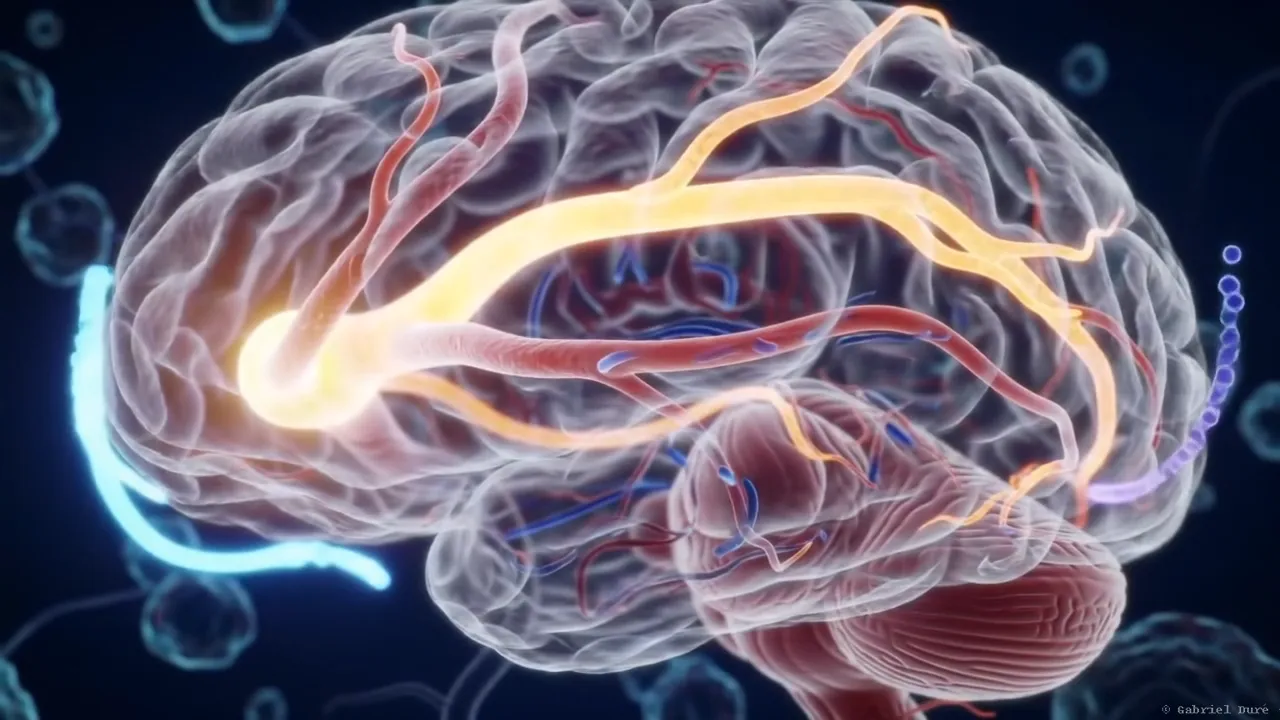
Not all anger outbursts are equal. Some children experience emotions with an intensity that is difficult to regulate. Their tantrums are not only frequent — they may also be accompanied by constant irritability, as if they carry an internal tension that is hard to release.
These children often show a particular sensitivity from an early age, with a temperament that can seem more challenging than others. They tend to interpret the intentions or expressions of those around them negatively, which increases their frustration and leads them to react with more anger.
When Should You Pay Attention?
The challenge lies not in the emotions themselves, but in their frequency and intensity. Warning signs include:
| Warning Signs | Description |
|---|---|
| Frequent tantrums | Occur several times a week and disrupt daily routines. |
| Persistent irritability | Irritability dominates even during pleasant moments. |
| Social difficulties | Emotional reactions interfere at home, school, and with peers. |
| Physical changes | Insomnia, nightmares, loss or increase in appetite. |
| Abrupt mood swings | Rapid alternation between joy, sadness, or anger. |
| Extreme behaviours | Defiance, aggression, or significant social withdrawal. |
It is essential to distinguish these episodes from typical childhood behaviour. This is not about lack of discipline — it is a genuine developmental difficulty with emotional regulation that calls for guidance.
Strategies to Help Children Regulate Their Emotions
1. Identify and Name Emotions
Through play and conversation, we help the child put words to what they feel: "I can see you're very angry because your toy broke." As Daniel Siegel put it, "name it to tame it." Labelling an emotion connects the emotional brain to the rational brain, reducing the intensity of the reaction.
2. Create Regulation Spaces
Having a "calm corner" — not a punishment corner — with cushions, books, or soft music offers a safe refuge. The goal is to teach children that it is all right to step away for a moment to regain control, rather than exploding.
3. Adjust the Adult Response
The words we use in moments of crisis matter enormously. If we respond to shouting with more shouting, the situation escalates. Staying calm and validating the emotion — "I understand you're furious, but I can't let you hit" — models the regulation we want to teach.
4. Seek Professional Support When Needed
If emotional storms are daily, if aggression is present, or if family well-being is severely affected, it is time to consult a professional. Child psychologists and emotional regulation specialists can provide tools tailored to each case.
The Family as a Foundation for Emotional Regulation
Caring for a child with emotional storms can be exhausting. It is crucial that parents also practise self-care. A regulated adult is the best resource for a dysregulated child. Remembering that these behaviours are symptoms of a difficulty — not of bad character — helps maintain a compassionate and constructive perspective.
References
- Siegel, D. J., & Bryson, T. P. (2014). The Whole-Brain Child. Delacorte Press.
- Bowlby, J. (1988). A Secure Base. Basic Books.
- Familia y Cole (2021). Warning signs in emotional development.
Immediate Help
Free and confidential lines:
-
USA — 988 Suicide & Crisis Lifeline988 (call or text)
-
ChildHelp National Child Abuse Hotline1-800-422-4453
-
UK — Family Lives0808 800 2222
-
Befrienders Worldwidebefrienders.org
Recommended Reading
- Siegel, D. J. & Bryson, T. P. — The Whole-Brain Child.
- Bowlby, J. — A Secure Base.
- Barlow, D. H. — Anxiety and Its Disorders.
- Greene, R. W. — The Explosive Child.