
Depression: You Are Not Alone in This
Video on the role of the unconscious in depression.
Introduction: Talking About Depression Is the First Step
Depression affects millions of people in silence and is one of the major challenges in the field of mental health. Talking honestly about depression, sharing experiences and fostering emotional education are fundamental steps in breaking the stigma and bringing support resources closer. If you're reading this, you've already taken an act of courage and self-care. Depression does not discriminate: it can affect anyone, regardless of age, gender or life circumstances. Recognizing pain and seeking understanding is an act of courage, not weakness.
What Is Depression? Beyond Sadness
Talking about depression means going beyond simple sadness or temporary low spirits. According to neuroscience and clinical psychology, depression involves alterations in neurotransmitters such as serotonin, dopamine and noradrenaline, generating persistent symptoms in mood, motivation and the capacity to enjoy life. From a Jungian perspective, depression is also an invitation from the unconscious to integrate neglected aspects of our psyche (Jung, 1934). Deep sadness, loss of meaning and inner emptiness often signal the need to dialogue with the internal shadow, opening a path toward psychological transformation.
If you want to explore the existential and symbolic dimensions of emotional states, read our article on anxiety and existential anguish.
Sadness vs. Depression: Understanding the Difference
Sadness is a healthy reaction to a loss, frustration or negative change. It usually lasts days or weeks and allows us to express emotions and adapt to reality. Depression, by contrast, persists, interferes with the ability to enjoy everyday activities and drains vital energy. Symptoms include a persistent sense of emptiness, difficulty concentrating, abrupt changes in sleep and appetite, and feelings of guilt and hopelessness.
In our article on resilience you'll find strategies for facing emotional crises and distinguishing between different mood states.
Depression and the Shadow: An Inner Journey
Jung described the shadow as the collection of repressed, denied or unknown aspects of personality. When these are not integrated, they can manifest through depressive symptoms: exhaustion, loss of life's meaning, rumination, withdrawal, creative blocks and, at times, thoughts of self-harm. Recognizing the shadow and exploring dreams, symbols and hidden desires facilitates transformation and the recovery of energy.
Signs of an active shadow in depression:
- Loss of purpose and vital meaning.
- Emotional withdrawal and social isolation.
- Inner emptiness, even during once-pleasurable activities.
- Rumination about the past or unresolved matters (Stevens, 1994).
Warning Signs: When to Seek Professional Help
Staying alert to certain warning signs is essential for timely intervention:
- Depressive symptoms persisting for more than two weeks.
- Difficulty carrying out daily tasks and work responsibilities.
- Thoughts of self-harm or suicide.
- Deep social isolation.
- Abrupt changes in appetite, sleep or energy levels.
If you — or someone close to you — recognize any of these symptoms, seeking psychological and medical help is essential. Asking for guidance is an act of maturity and self-care.
Emotional Indicators in Depression
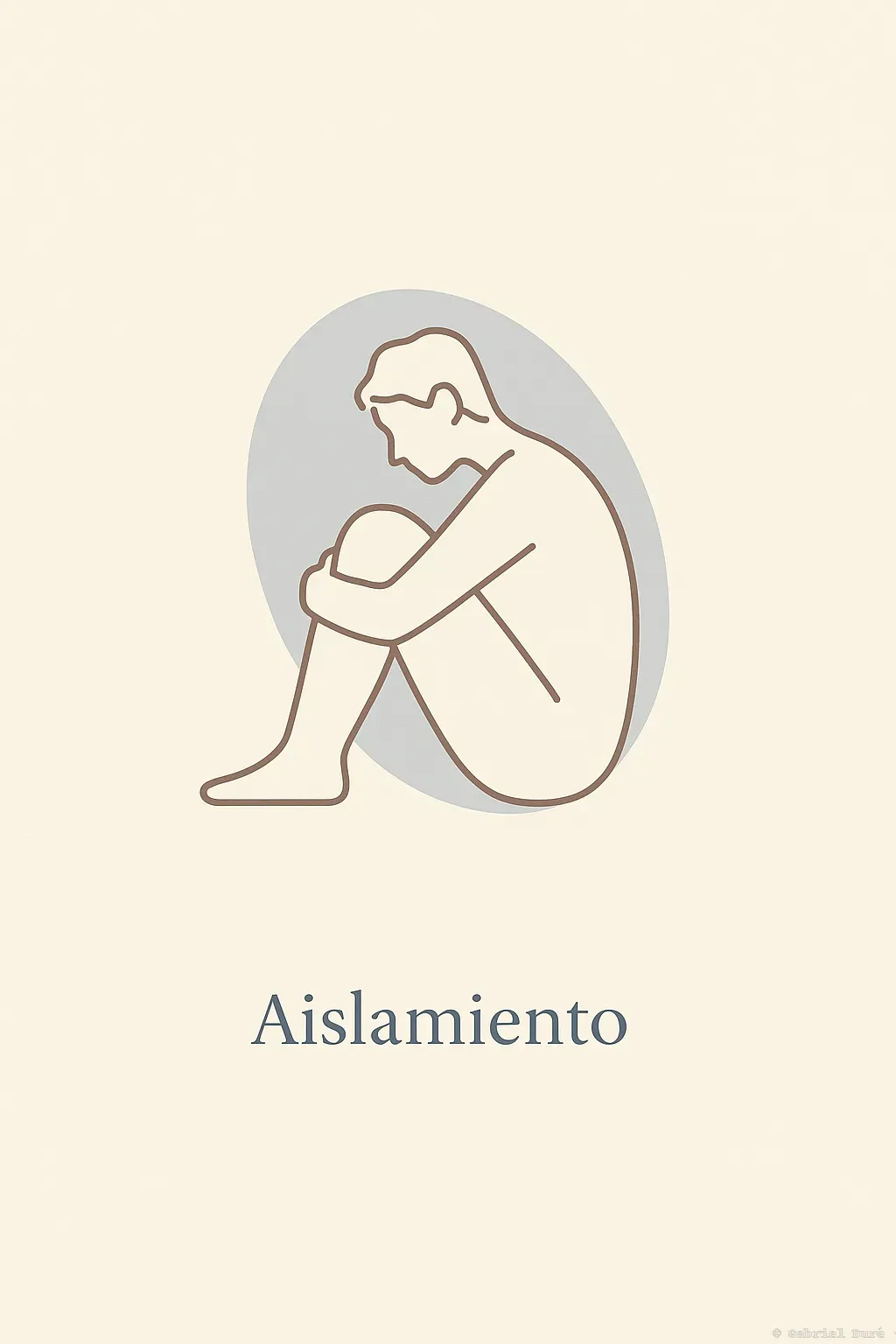
Withdrawal and inner disconnection.
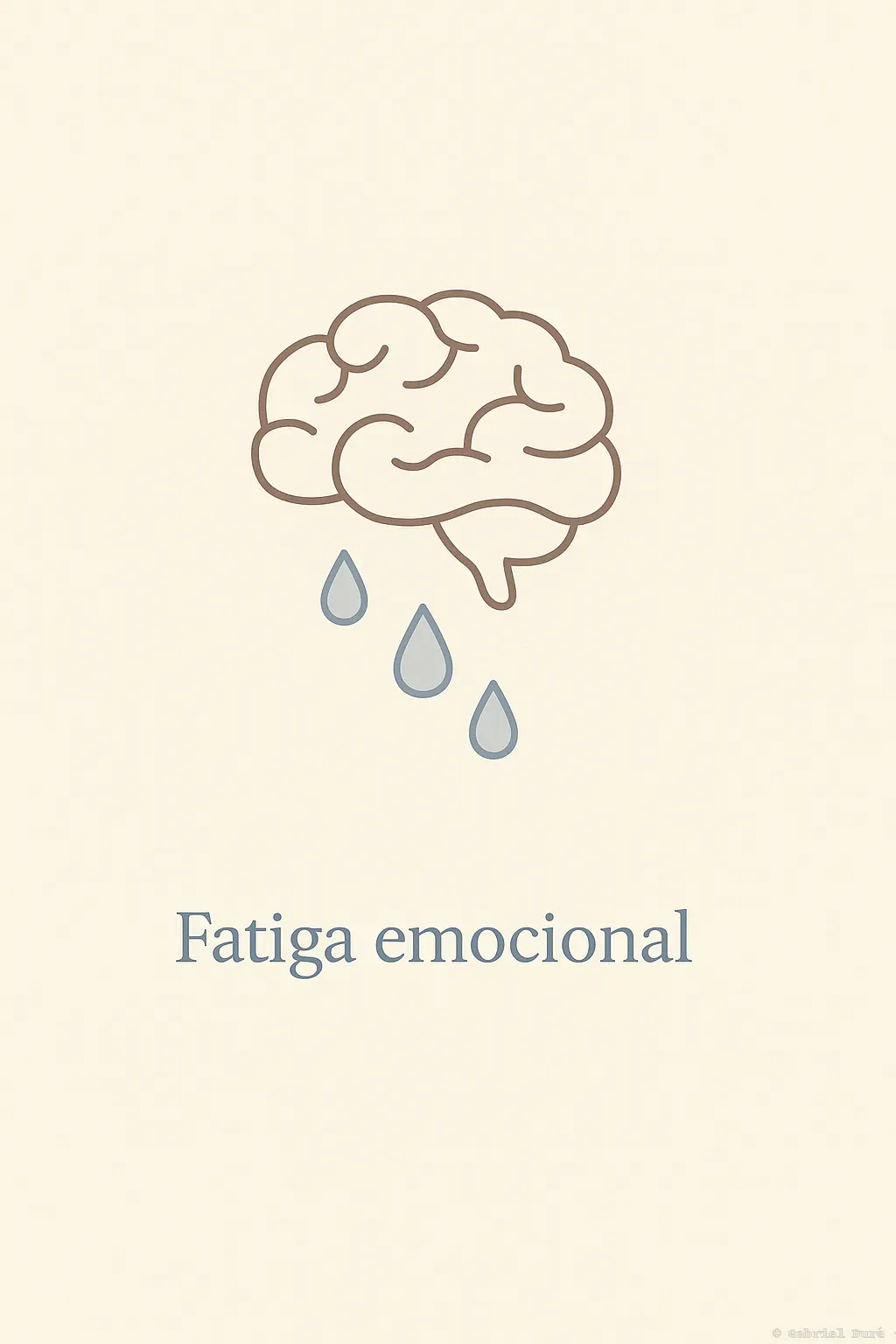
When vital energy diminishes.
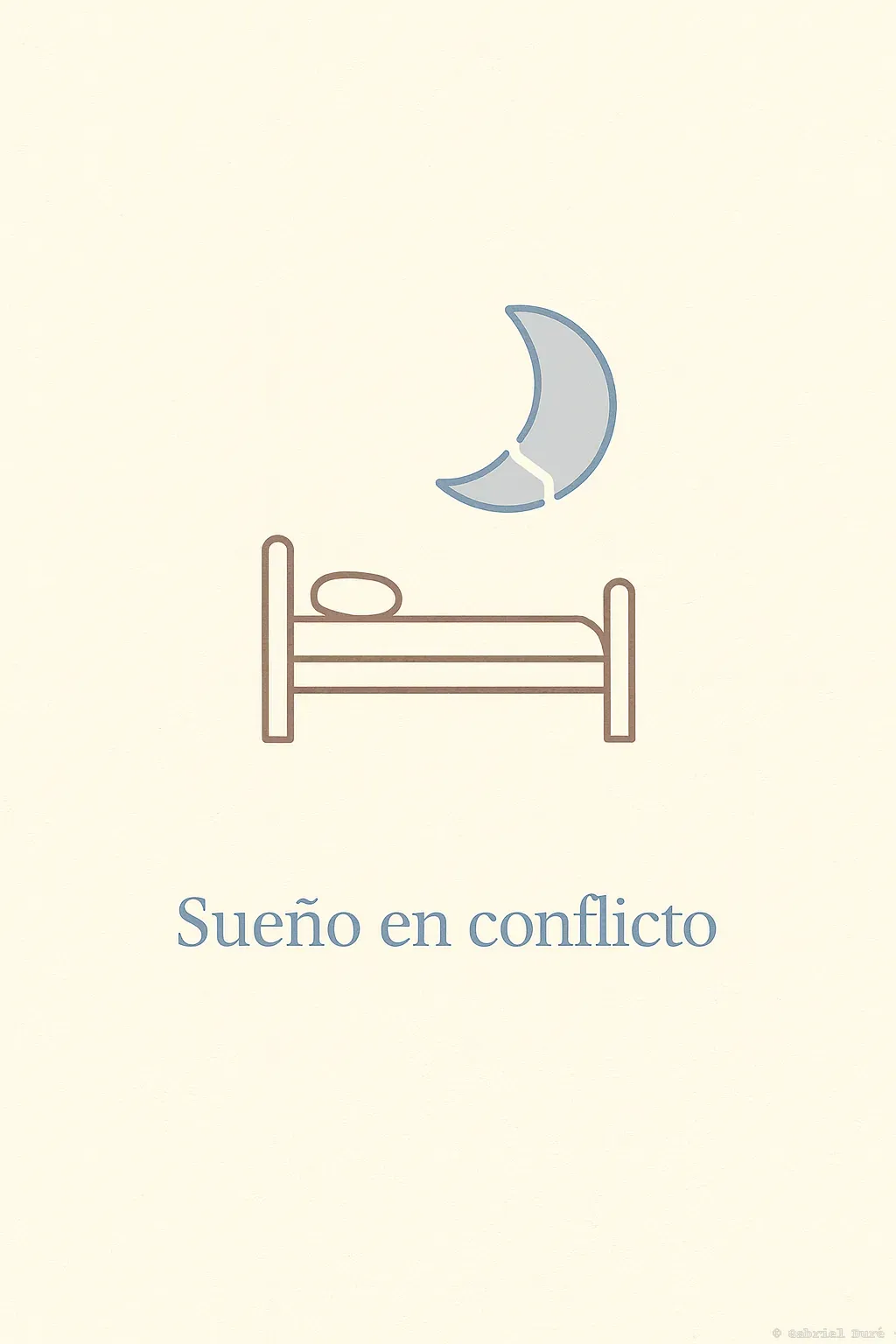
Disturbances in rest and inner rhythm.
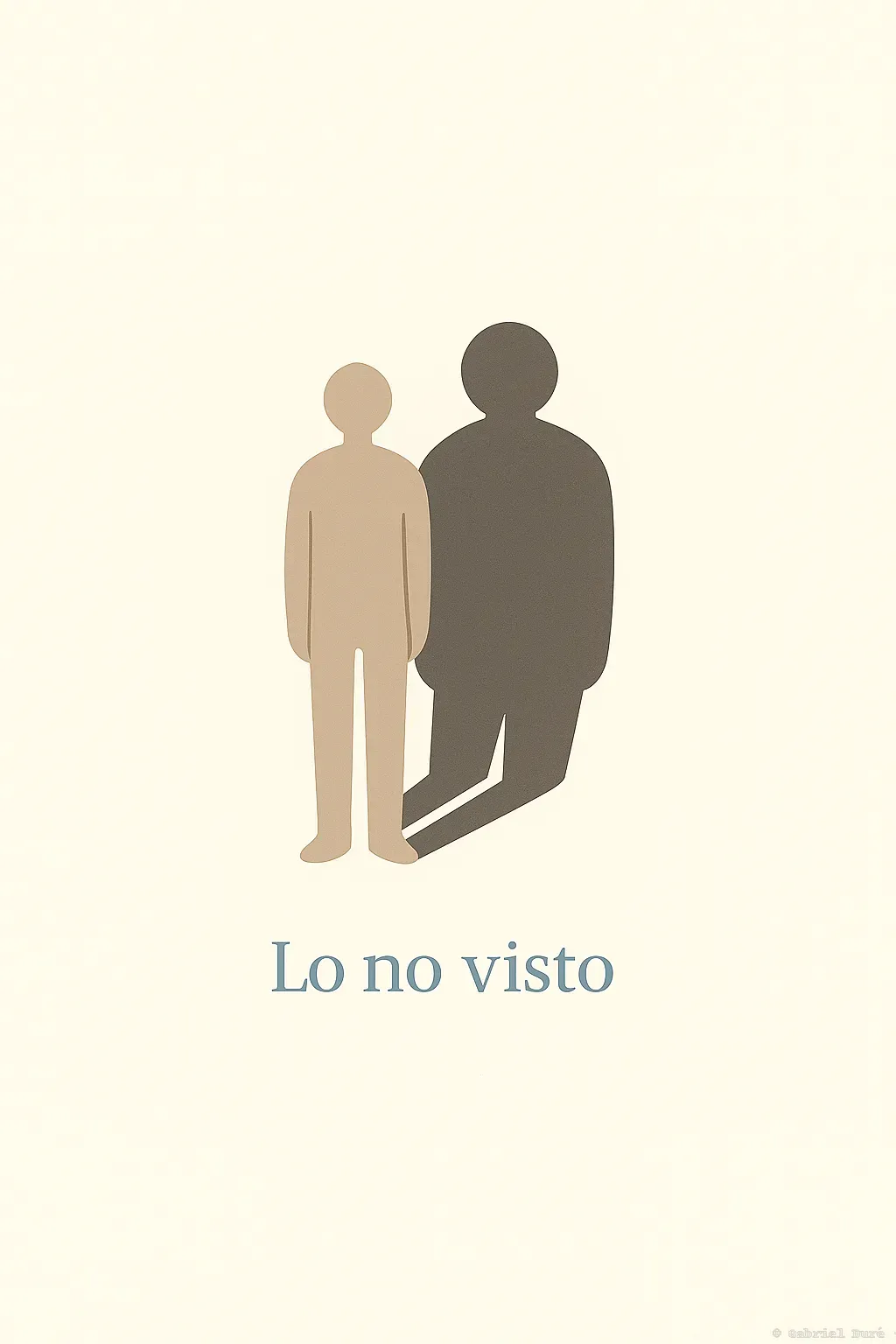
Internal aspects seeking expression.
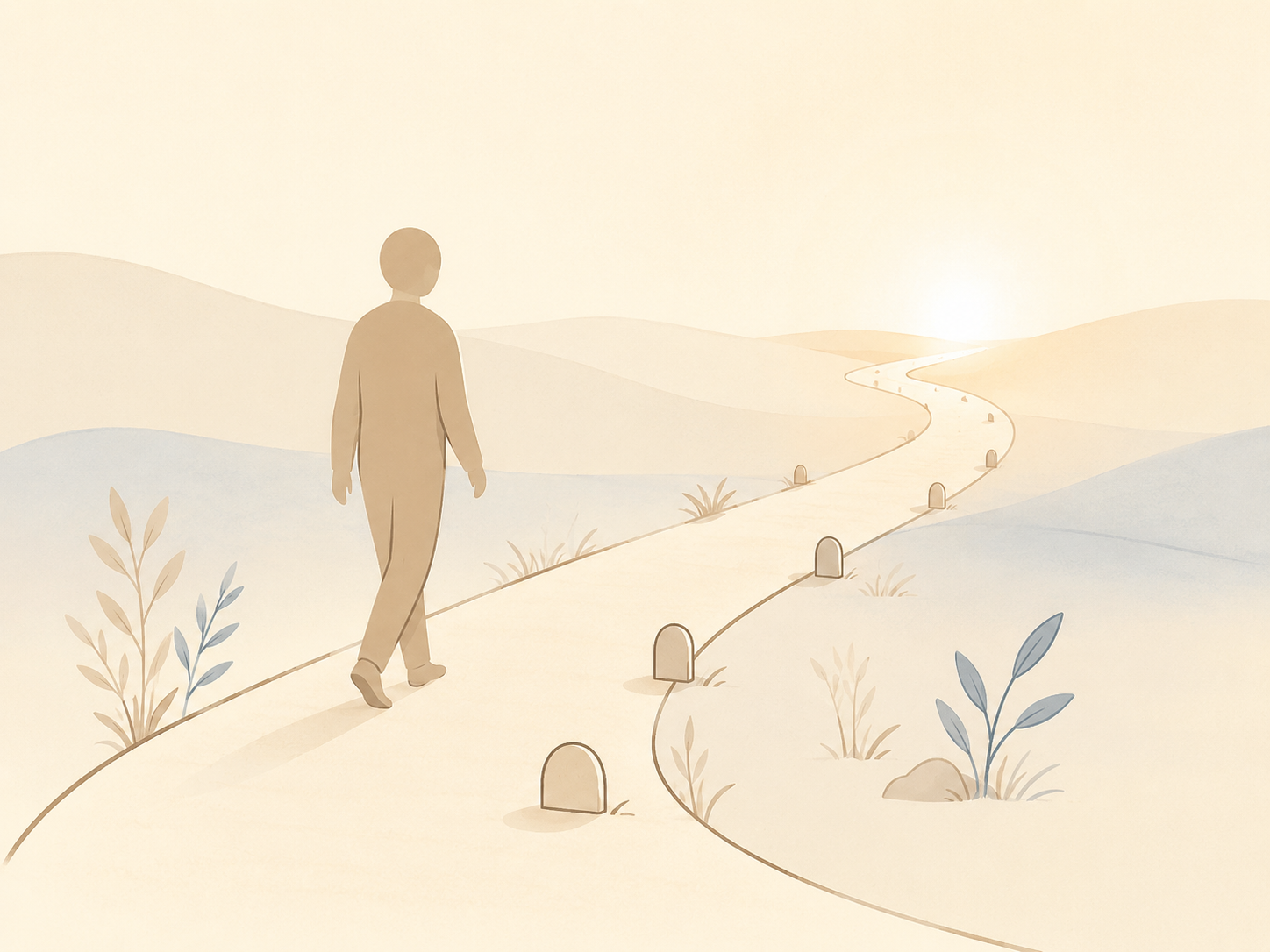
Recovery is gradual.
Swipe to see more
The Physical Impact of Depression
Depression affects not only the mind but also the body. Physical symptoms include:
- Persistent fatigue and extreme tiredness.
- Insomnia or hypersomnia (sleeping a lot without restorative rest).
- Muscle aches and recurring headaches.
- Digestive problems and abrupt changes in appetite.
These signs are legitimate and deserve both medical and psychological attention.
Depression and Neuroscience: The Individuation Process
Research in neuroplasticity shows that the brain is constantly modified as it integrates new emotional and symbolic experiences (Siegel, 2012). Through conscious work on the shadow, recognizing emotions and exploring dreams, neural circuits are activated that support self-regulation and motivation.
This inner encounter releases blocked emotional energy and restores neurotransmitter networks linked to well-being. This integrative approach combines clinical effectiveness with symbolic depth.
Mindfulness and Journaling to Integrate the Shadow
Mindfulness and expressive writing (journaling) are powerful tools for dialoguing with the unconscious. Studies show that mindfulness helps reduce emotional reactivity and tolerate internal discomfort (Kabat-Zinn, 2013). Free writing facilitates the cognitive processing of difficult emotions (Pennebaker, 1997).
Recommended exercises:
- Dedicate a few daily minutes to observing bodily sensations.
- Record mood states and dream symbols.
- Practice conscious breathing and a body scan.
- Write about experiences, dreams and emotions without judging them.
Building Resilience and Finding Meaning
Positive psychology offers a fundamental approach to treating depression. Beyond relieving symptoms, it proposes cultivating strengths and finding meaning in everyday life (Seligman, 2011). Passions, purposes and daily gratitude balance the inner gaze and build resilience in the face of suffering. Practicing gratitude — even by writing down three positive things at the end of the day — supports motivation and a sense of direction.
Depression and Digital Overload
We live in a time when screens accompany every moment. The phenomenon of doomscrolling — the compulsive consumption of negative news — amplifies discomfort and intensifies anxiety and rumination. For those going through depression, social media and digital overload keep the nervous system on permanent alert, hindering emotional regulation and contributing to apathy and mental exhaustion.
A simple exercise: choose one daily moment to disconnect completely (even if only for a few minutes) and observe your internal emotions when silence takes up space. Often, what we fear most is not the sadness itself, but the encounter with ourselves without distractions.
Depression and Sleep: The Nocturnal Language
Depression profoundly affects the architecture of sleep. Insomnia and hypersomnia are genuine emotional alarms that can hinder the recovery process. The REM cycle becomes unstable, micro-awakenings appear, and circadian rhythms lose their natural synchrony.
From a symbolic perspective, dreams during depressive states express unresolved material: neglected emotions or unprocessed internal aspects. Writing down each morning a single word, image or sensation from your last remembered dream opens dialogues with the unconscious and facilitates emotional integration.
Depression and Relationships: When Attachment Goes Silent
Depression changes the way we relate to others and activates attachment patterns formed in the early stages of life. Those with avoidant attachment may tend toward isolation and closing emotional channels, while anxious attachment awakens insecurity and a constant search for validation.
Recognizing that these patterns are not flaws but forms of emotional survival that were acquired can relieve guilt and open the path to understanding. The first step isn't always to open up completely — it's to allow minimal contact: replying to a message or accepting a brief invitation. Human connection, even in small doses, softens the emotional weight of depression.
Evidence-Based Treatments
Depression has multiple origins and there is no single path for everyone. However, scientifically supported treatments show consistent effectiveness:
- Cognitive Behavioral Therapy (CBT): Helps reduce rumination and restructure hopeless thought patterns.
- Acceptance and Commitment Therapy (ACT): Facilitates a different relationship with discomfort and promotes living more aligned with personal values.
- Mindfulness-Based Cognitive Therapy (MBCT): Relapse prevention; training in the capacity to observe thoughts without getting caught in them.
Integrating symbolic self-knowledge tools (working with dreams and deep emotions) alongside concrete strategies enhances the recovery process. Therapeutic work can be complemented by medication in severe cases, always under professional supervision.
The Role of Your Support Network
The company of loved ones can serve as a vital anchor during the healing process. Sharing what you feel — even when difficult — can lighten the burden and open new perspectives. If no close network is available, in-person and online support groups are a valuable alternative.
Myths and Facts About Depression
Myth: Depression is just a lack of willpower.
Fact: It is a complex condition with biological, psychological and social causes.
Myth: It only affects weak people.
Fact: It can touch anyone, regardless of circumstances.
Myth: Talking about depression makes it worse.
Fact: Talking opens the path to recovery and empathy.
Routine and Self-Care
Recovering healthy habits can make a real difference during depression:
- Maintain regular sleep and eating schedules.
- Engage in gentle physical activity (walking, stretching).
- Take care of personal hygiene, even when it feels hard.
- Allow yourself to rest and practice self-compassion.
Practical Exercises for Moving Through Depression
- Reflection questions: What emotions do I avoid feeling and why? What symbols or images appear in my dreams? At what moments of the day do I feel a spark of interest?
- Brief mindfulness practice: Observe your breathing and note three bodily sensations. Return to the body when the mind wanders.
- Journaling guide: Write for 10 minutes without judging the content. Allow yourself to explore metaphors and sensations that arise.
- Small steps: Choose one simple action and allow yourself to enjoy it without demands.
Final Reflection: A Process, Not a Sentence
Depression can feel like a prolonged night, but even in the darkness lives the seed of our renewal. The process demands no speed — only patience and companionship. There are tools, resources and, above all, the possibility of rediscovering meaning and connection. The dialogue with the shadow, the work with bonds and the contact with the body allow us to restore vitality and the potential for a fuller life. Remember: you are not alone, and asking for help is the first step toward recovery.
Bibliographic References
- Jung, C. G. (1934). The Archetypes and The Collective Unconscious. Princeton University Press.
- Kabat-Zinn, J. (2013). Full Catastrophe Living. Bantam Books.
- Pennebaker, J. W. (1997). Writing About Emotional Experiences as a Therapeutic Process. Psychological Science.
- Seligman, M. E. P. (2011). Flourish. Free Press.
- Siegel, D. J. (2012). The Developing Mind. Guilford Press.
- Stevens, A. (1994). Jung: A Very Short Introduction. Oxford University Press.
- van der Kolk, B. (2014). The Body Keeps the Score. Penguin Books.
24h Crisis Help
- USA (Crisis Line): 988
- UK (Samaritans): 116 123
- Australia (Lifeline): 13 11 14
- International Chat (Befrienders)
Go Deeper
Educational resources:
- Frankl, V. E. - Man's Search for Meaning.
- Seligman, M. E. P. - Flourish.
- van der Kolk, B. - The Body Keeps the Score.
Keep reading
Explore other topics linked to emotional well-being and self-knowledge.